



Protegemos tu salud a través de la Ciencia
Investigación
Salud urbana: calidad del aire, salud y bienestar en entornos urbanos
Líneas de investigación
Contenidos con Investigacion .
Salud urbana: calidad del aire, salud y bienestar en entornos urbanos
1- Laboratorios Ciudadanos Urbanos (ULL) para abordar el estudio de las exposiciones ambientales.
La participación ciudadana en proyectos de investigación es fundamental para identificar determinantes de salud urbanos y diseñar intervenciones tanto a nivel individual como urbano que mejoren el bienestar y la calidad de vida de la población. A su vez, nos permite realizar campañas de biomonitorización humana para estudiar los efectos de las exposiciones ambientales como la contaminación atmosférica, ruido o luz en el desarrollo de enfermedades no comunicables entre otras enfermedades respiratorias, cardiovasculares o neurodegenerativas, así como otros trastornos relacionados con el sueño, o la salud mental.
PROYECTOS:
- Proyecto Europeo Horizonte Europa ENVESOME: The ENVironmental ExpoSOME and health”. www.envesome.eu.
Financiado HORIZON-HLTH-2024-ENVHLTH-02-06. Duración 4 años: diciembre 2024- noviembre 2028. IP ISCIII: Dra. Beatriz Núñez Corcuera
- Proyecto Europeo H2020 URBANOME “URBAN Observatory for multiparticipatory enhancement of wellbeing and health”, Ga 945391. www.urbanome.ue. Duración 4 años: marzo 2021- agosto 2025 IP ISCIII: Dra. Beatriz Núñez Corcuera
2- Estudio de la exposición a contaminantes atmosféricos urbanos: Material Particulado, Óxidos de nitrógeno y Ozono en poblaciones vulnerables. Exposiciones prenatales y Efectos Adversos al Nacimiento.
Esta línea de investigación aborda el estudio de los efectos adversos al nacimiento atribuibles a la exposición de contaminantes atmosféricos urbanos durante el embarazo. Combina el análisis de datos de contaminación atmosférica proporcionados por organismos de referencia con modelización y estudios epidemiológicos. Esta línea se desarrolla en colaboración con la Dra. Rebeca Ramis Prieto. Área de Epidemiologia de Cáncer y Ambiental. CNE_ISCIII. ORCID: 0000-0001-6154-9142.
PROYECTOS:
QALIOPE ; Calidad de aire, cambio climático y espacios verdes.
Financiado por Acción Estratégica en Salud Intramural (AESI) 2024. Duración 3 años. IP Dra. Rebeca Ramis Prieto, Co-IP Dra. Beatriz Nuñez Corcuera
Publicaciones destacadas
PFAS levels and determinants of variability in exposure in European teenagers – Results from the HBM4EU aligned studies (2014-2021)
Richterova D, Govarts E, Fabelova L, Rausova K, Rodriguez Martin L, Gilles L, Remy S, Colles A, Rambaud L, Riou M, Gabriel C, Sarigiannis D, Pedraza-Diaz S, Ramos JJ, Kosjek T, Snoj Tratnik J, Lignell S, Gyllenhammar I, Thomsen C, Haug LS, Kolossa-Gehring M, Vogel N, Franken C, Vanlarebeke N, Bruckers L, Stewart L, Sepai O, Schoeters G, Uhl M, Castaño A, Esteban López M, Göen T, Palkovicova Murínova P. PFAS levels and determinants of variability in exposure in European teenagers – Results from the HBM4EU aligned studies (2014-2021). Int J Hyg Environ Heatlh. 247: 114057. 2022.
DOIExternal Quality Assurance Schemes (EQUASs) and Inter-laboratory Comparison Investigations (ICIs) for human biomonitoring of Polycyclic Aromatic Hydrocarbon (PAH) biomarkers in urine as part of the quality assurance programme under HBM4EU
Stefanie N, Esteban López M, Castaño A, Mol H, Müller J, Schäfer M, Haji-Abbas-Zarrabi K, Hajslova J, Pulkrabova J, Göen T, Dvorakova D, Urbancova K, Koch HM, Antignac JP, Sakhi AK, Vorkamp K, Burkhardt T, Scherer M. External Quality Assurance Schemes (EQUASs) and Inter-laboratory Comparison Investigations (ICIs) for human biomonitoring of Polycyclic Aromatic Hydrocarbon (PAH) biomarkers in urine as part of the quality assurance programme under HBM4EU. 2022.
DOI. Concurrent Assessment of Phthalates/HEXAMOLL (R) DINCH Exposure and Wechsler Intelligence Scale for Children Performance in Three European Cohorts of the HBM4EU Aligned Studies
Rosolen V, Giordani E, Mariuz M, Parpinel M, Ronfani L, Vecchi Brumatti L, Bin M, Calamandrei G, Mustieles V, Gilles L, Govarts E, Baken K, Rodriguez Martin L, Schoeters G, Sepai O, Sovcikova E, Fabelova L, Šidlovská M, Kolena B, Kold Jensen T, Frederiksen H, Kolossa-Gehring M, Lange R, Apel P, Castano A, Esteban López M, Jacobs G, Voorspoels S, Jurdáková H, Górová R, Barbone F. Concurrent Assessment of Phthalates/HEXAMOLL (R) DINCH Exposure and Wechsler Intelligence Scale for Children Performance in Three European Cohorts of the HBM4EU Aligned Studies. Toxics 10: 538. 2022.
DOIGlyphosate and AMPA in Human Urine of HBM4EU-Aligned Studies: Part B Adults
Buekers J, Remy S, Bessems J, Govarts E, Rambaud L, Riou M, Halldorsson TI, Ólafsdóttir K, Probst-Hensch N, Ammann P, Weber T, Kolossa-Gehring M, Esteban-López M, Castaño A, Raun Andersen H, Schoeters G. Glyphosate and AMPA in Human Urine of HBM4EU-Aligned Studies: Part B Adults. Toxics 10: 552. 2022.
DOIGlyphosate and AMPA in Human Urine of HBM4EU-Aligned Studies: Part A Children
Buekers J, Remy S, Bessems J, Govarts E, Rambaud L, Riou M, Snoj Tratnik J, Stajnko A, Katsonouri A, Makris KC, De Decker A, Morrens B, Vogel N, Kolossa-Gehring M, Esteban-López M, Castaño A, Raun Andersen H, Schoeters G. Glyphosate and AMPA in Human Urine of HBM4EU-Aligned Studies: Part A Children. Toxics. 10: 470. 2022.
DOIA Tiered Approach for Assessing Individual and Combined Risk of Pyrethroids Using Human Biomonitoring Data
Tarazona JV, Cattaneo I, Niemann L, Pedraza-Diaz S, González-Caballero MC, de Alba-Gonzalez M, Cañas A, Dominguez-Morueco N, Esteban-López M, Castaño A, Borges T, Katsonouri A, Makris KC, Ottenbros I, Mol H, De Decker A, Morrens B, Berman T, Barnett-Itzhaki Z, Probst-Hensch N, Fuhrimann S, Tratnik JS, Horvat M, Rambaud L, Riou M, Schoeters G, Govarts E, Kolossa-Gehring M, Weber T, Apel P, Namorado S, Santonen T. A Tiered Approach for Assessing Individual and Combined Risk of Pyrethroids Using Human Biomonitoring Data. Toxics. 10, 451. 2022.
DOIFrom science to policy: How European HBM indicators help to answer policy questions related to phthalates and DINCH exposure
Gerofke A, David M, Schmidt P, Lobo Vicente J, Buekers J, Gilles L, Colles A, Bessems J, Bastiaensen M, Covaci A, Den Hond E, Koppen G, Laeremans M, Verheyen VJ, Černá M, Klánová J, Krsková A, Zvonař M, Knudsen LE, Koch HM, Rambaud L, Riou M, Vogel N, Gabriel C, Karakitsios S, Papaioannou N, Sarigiannis D, Kakucs R, Középesy S, Rudnai P, Szigeti T, Barbone F, Rosolen V, Guignard C, Gutleb AC, Sakhi AK, Haug LS, Janasik B, Ligocka D, Estokova M, Fabelova L, Kolena B, Palkovicova Murinova L, Petrovicova I, Richterova D, Horvat M, Mazej D, Snoj Tratnik J, Runkel AA, Castaño A, Esteban-López M, Pedraza-Díaz S, Åkesson A, Lignell S, Vlaanderen J, Zock JP, Schoeters G, Kolossa-Gehring M. From science to policy: How European HBM indicators help to answer policy questions related to phthalates and DINCH exposure. Int J Hyg Environ Health. 247: 114073. 2022.
DOICumulative risk assessment of five phthalates in European children and adolescents
Lange R, Vogel N, Schmidt P, Gerofke A, Luijten M, Bil W, Santonen T, Schoeters G, Gilles L, Sakhi AK, Haug LS, Jensen TK, Frederiksen H, Koch HM, Szigeti T, Szabados M, Snoj Tratnik J, Mazej D, Gabriel C, Sarigiannis D, Dzhedzheia V, Karakitsios S, Rambaud L, Riou M, Koppen G, Covaci A, Zvona M, Piler P, Klanova J, Fabelova L, Richterova D, Kosjek T, Runkel A, Pedraza-Díaz S, Verheyen V, Bastiaensen M, Esteban-López M, Castaño A, Kolossa-Gehring M. Cumulative risk assessment of five phthalates in European children and adolescents. Environ J Hyg Environ Health 246: 114052. 2022.
DOIPersonal care product use and lifestyle affect phthalate and DINCH metabolite levels in teenagers and young adults
Fišerová PS, Melymuk L, Komprdová K, Domínguez-Romero E, Scheringer M, Kohoutek J, Přibylová P, Andrýsková L, Piler P, Koch HM, Zvonař M, Esteban-López M, Castaño A, Klánová J. Personal care product use and lifestyle affect phthalate and DINCH metabolite levels in teenagers and young adults. Environ Res. 213:113675. 2022.
DOIImproving the Risk Assessment of Pesticides through the Integration of Human Biomonitoring and Food Monitoring Data: A Case Study for Chlorpyrifos
Tarazona JV, González-Caballero MC, de Alba-Gonzalez M, Pedraza-Diaz S, Cañas A, Dominguez-Morueco N, Esteban-López M, Cattaneo I, Katsonouri A, Makris KC, Halldorsson TI, Olafsdottir K, Zock JP, Dias J, De Decker A, Morrens B, Berman T, Barnett-Itzhaki Z, Lindh C, Gilles L, Govarts E, Schoeters G, Weber T, Kolossa-Gehring M, Santonen T, Castaño A. Improving the Risk Assessment of Pesticides through the Integration of Human Biomonitoring and Food Monitoring Data: A Case Study for Chlorpyrifos. Toxics. 10:313. 2022.
DOIHarmonization of human biomonitoring studies in Europe: characteristics of the HBM4EU aligned studies participants
Gilles L, Govarts E, Rodriguez Martin L, Andersson AM, Appenzeller BMR, Barbone F, Castaño A, Coertjens D, Den Hond E, Dzhedzheia V, Eržen I, Esteban López M, et al. Harmonization of human biomonitoring studies in Europe: characteristics of the HBM4EU aligned studies participants. Int J Environ Res Public Health. 19:6787. 2022.
DOIMethylmercury Risk Assessment Based on European Human Biomonitoring Data
Domínguez-Morueco N, Pedraza-Díaz S, González-Caballero MC, Esteban-López M, Alba-González M, Katsonouri A, Santonen T, Cañas-Portilla A, Castaño A. Methylmercury Risk Assessment Based on European Human Biomonitoring Data. Toxics. 10: 427. 2022.
DOIInterlaboratory Comparison Investigations (ICI) for human biomonitoring of chromium as part of the quality assurance programme under HBM4EU
Nübler S, Esteban López M, Castaño A, Mol HGJ, Haji-Abbas-Zarrabi K, Schäfer M, Müller J, Hajslova J, Dvorakova D, Antignac JP, Koch HM, Småstuen Haug L , Vorkamp K, Göen T. Interlaboratory Comparison Investigations (ICIs) and External Quality Assurance Schemes (EQUASs) for human biomonitoring of perfluoroalkyl substances (PFASs) in serum as part of the quality assurance programme under HBM4EU. Science of the Total Environment 847 157481. 2022.
DOIProficiency and Interlaboratory variability in the determination of phthalate and DINCH biomarkers in human urine: results from the HBM4EU project
Mol HGJ, Elbers I, Pälmke C, Bury D, Göen T, Esteban López M, Nübler S, Vaccher V, Antignac JP, Dvořáková D, Hajšlová D, Sakhi AK, Thomsen C, Vorkamp K, Castaño A, Koch HM. Proficiency and Interlaboratory variability in the determination of phthalate and DINCH biomarkers in human urine: results from the HBM4EU project. Toxics 10:57. 2022.
DOIEuropean interlaboratory comparison investigations (ICI) and external quality assurance schemes (EQUAS) for the analysis of bisphenol A, S and F in human urine: Results from the HBM4EU project
Vaccher V, Esteban López M, Castaño A, Mol H, Haji-Abbas-Zarrab K, Bury D, Koch HM, Dvorakova D, Hajslova J, Nübler S, Sakhi AK, Thomsen C, Vorkamp K, Göen T, Antignac JP. European interlaboratory comparison investigations (ICI) and external quality assurance schemes (EQUAS) for the analysis of bisphenol A, S and F in human urine: Results from the HBM4EU project. Environ Res 210. 2022.
DOIHBM4EU chromates study - Overall results and recommendations for the biomonitoring of occupational exposure to hexavalent chromium
Santonen T, Porras SP, Bocca B, Bousoumah R, Duca RC, Galea KS, Godderis L, Göen T, Hardy E, Iavicoli I, Janasik B, Jones K, Leese E, Leso V, Louro H, Majery N, Ndaw S, Pinhal H, Ruggieri F, Silva MJ, van Nieuwenhuyse A, Verdonck J, Viegas S, Wasowicz W, Sepai O, Scheepers PTJ, HBM4EU chromates study team. HBM4EU chromates study - Overall results and recommendations for the biomonitoring of occupational exposure to hexavalent chromium. Environ Res 201: 111984. 2022.
DOIHBM4EU Occupational Biomonitoring Study on e-Waste-Study Protocol
Scheepers PTJ, Duca RC, Galea KS, Godderis L, Hardy E, Knudsen LE, Leese E, LouroH, Mahiout S, Ndaw S, et al. HBM4EU Occupational Biomonitoring Study on e-Waste—Study Protocol. Int J Environ Res Public Health 18. 2021.
DOISelecting the best non-invasive matrix to measure mercury exposure in human biomonitoring surveys
Esteban López M, Arrebola JP, Juliá M, Pärt P, Soto E, Cañas A, Pedraza-Díaz S, González-Rubio J, Castaño A. Selecting the best non-invasive matrix to measure mercury exposure in human biomonitoring surveys. Environ Res. 204: 112394. 2021.
DOIMercury levels in feathers of penguins from the Antarctic peninsula area: geographical and inter-specific differences
Motas M, Jerez S, Esteban M, Valera F, Cuervo JJ, Barbosa A. Mercury levels in feathers of penguins from the Antarctic peninsula area: geographical and inter-specific differences. Int J Environ Res Public Health. 15: 9918. 2021.
DOIA Phased Approach for preparation and organization of human biomonitoring studies
Fiddicke U, Pack IK, Tolonene H, Sepai O, Esteban López M, Castaño A, Schoeters G, Kolossa-Gehring M. A Phased Approach for preparation and organization of human biomonitoring studies. Int J Hyg Environ Health. 232: 113684. 2021.
DOIContenidos con Investigacion .
-
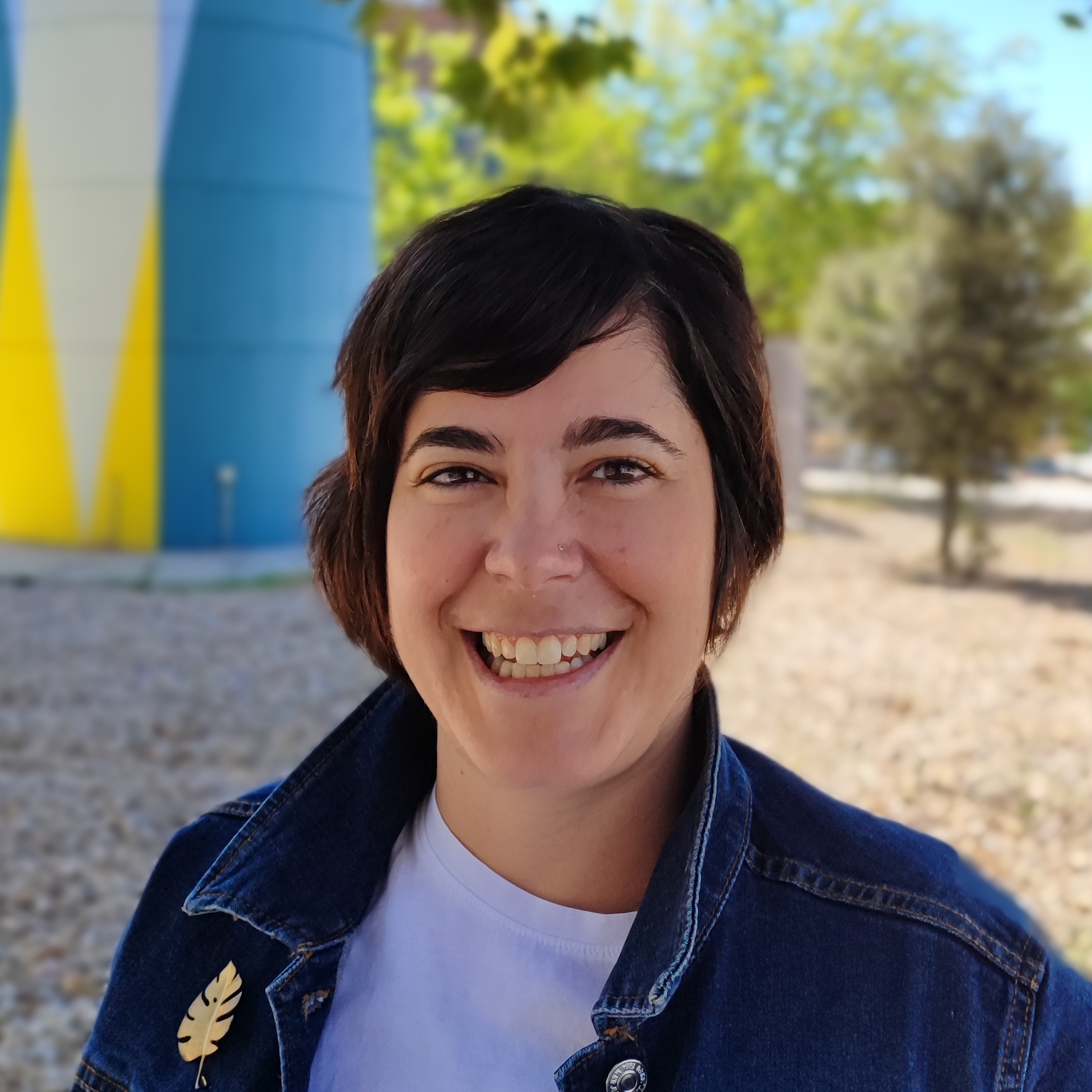
Dra. Beatriz Núñez Corcuera
Técnica Superior Especializada de OPI
Código ORCID: https://orcid.org/0000-0001-6551-9215
-

Dra. Sonia Arca de Lafuente
Investigadora postdoctoral
Código ORCID: https://orcid.org/0000-0003-4750-0988
-

Dra. Mónica Bartolomé Jimeno
Técnica Superior Especializada
Código ORCID: https://orcid.org/0000-0002-4031-1407


Listado de personal
Información adicional
Estudio de los determinantes de salud urbanos para la mejora del bienestar y la calidad de vida de la población.
Según Naciones Unidas, para el año 2050, el 70% de la población mundial vivirá en ciudades. En consecuencia, estas deben adaptarse a la rápida urbanización, el cambio climático, el aumento del consumo de energía y la creciente desigualdad social derivada de la falta de políticas urbanas eficaces. En los próximos años, el conjunto de actores políticos y sociales se enfrentarán al gran desafío de promover ciudades más saludables, sostenibles y resilientes. Para ello tendrán que proponer estrategias de prevención y promoción de la salud que mejoren el bienestar y la calidad de vida de su población de acuerdo con los Objetivos de Desarrollo Sostenible (ODS) y la Agenda 2030.
El objetivo principal del grupo es generar evidencias científicas que permitan desarrollar estrategias de Salud Pública orientadas a la mejora del bienestar y la calidad de vida de la población.
El grupo de investigación realiza diversas actividades de divulgación científica en colaboración con la Unidad de Cultura Científica del ISCIII, por ejemplo, la actividad “CIUDADES DEL FUTURO”.
COLABORACIONES
Departamento de Salud Ambiental. Madrid Salud. Ayuntamiento de Madrid.
EnvE Lab, Aristotle University of Thessaloniki (AUTH). Grecia.
Department of Environmental Social Science. Aarhus University. Dinamarca